The good news is that dental implants are appropriate for a wide range of patients, and advances in modern dentistry have made treatment accessible to more people than ever before.
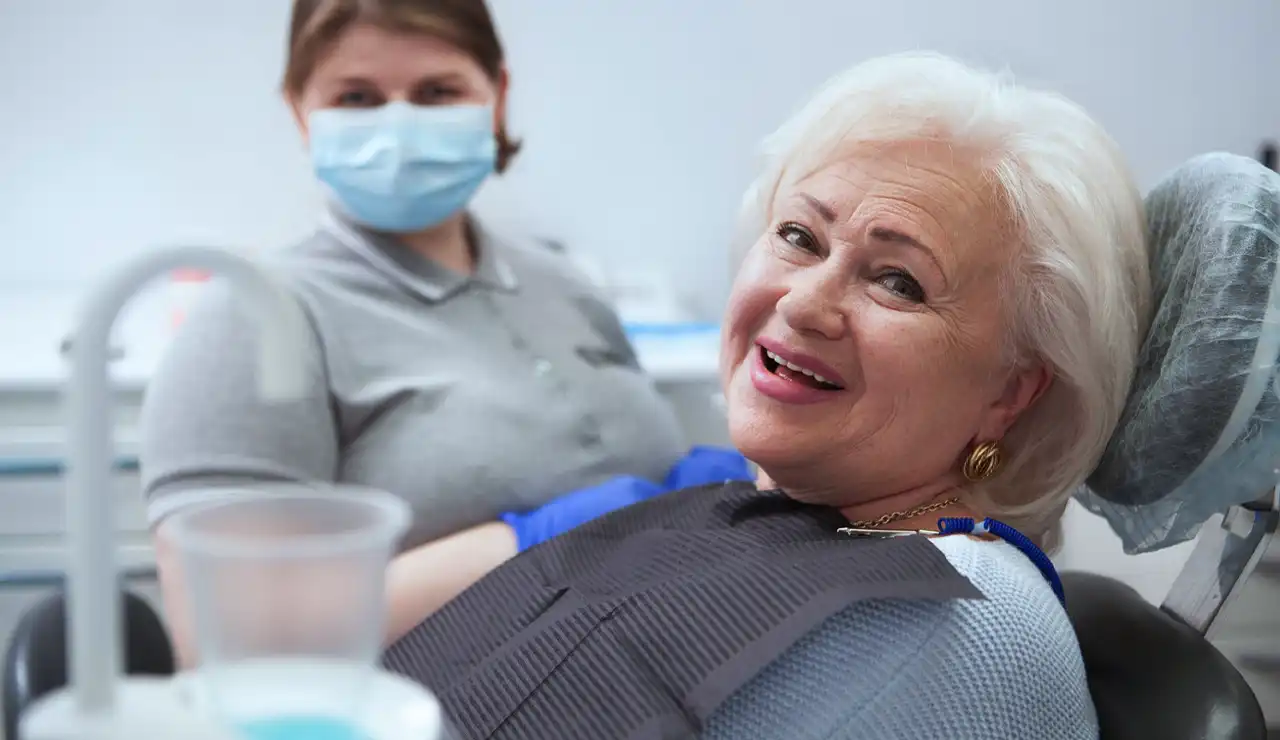
Suitable Candidates for Dental Implants
Missing teeth can impact your confidence, oral health, and everyday comfort. Dental implants are widely regarded as one of the most effective long-term tooth replacement solutions—but many people wonder whether they are actually suitable candidates for the treatment.
The good news is that dental implants are appropriate for a wide range of patients, and advances in modern dentistry have made treatment accessible to more people than ever before.
What Are Dental Implants?
Dental implants are artificial tooth roots that are placed into the jawbone to support replacement teeth. Once healed, they provide a strong and stable foundation for crowns, bridges, or dentures. Because implants integrate directly with the jawbone, they function very similarly to natural teeth.
Find out who is a good candidate for dental implants. Learn about jawbone health, gum condition, age, lifestyle factors, and more.
Basic Requirements for Dental Implants
While every patient is different, there are several key factors dentists typically evaluate before recommending dental implants.
1. Healthy Gums
Healthy gums are essential for successful implant treatment.
Gum disease can affect the tissues supporting the implant and may increase the risk of complications. Patients with existing gum problems may first require periodontal treatment before implant placement is considered.
2. Adequate Jawbone Density
Dental implants rely on the jawbone for stability. After tooth loss, the bone in that area can gradually shrink over time.
A sufficient amount of healthy bone is important to:
- Support the implant securely
- Allow proper healing
- Ensure long-term stability
If bone loss has occurred, procedures such as bone grafting may help rebuild the area.
3. Good Overall Oral Hygiene
Patients considering dental implants should be committed to maintaining good oral hygiene habits, including:
- Brushing twice daily
- Flossing regularly
- Attending routine dental check-ups
Long-term implant success depends heavily on ongoing oral care.
Can Smokers Get Dental Implants?
Smoking can affect healing and increase the risk of implant complications because it reduces blood flow to the gums and bone. However, smoking does not automatically rule out treatment. Patients who reduce or stop smoking during the healing process may improve their chances of successful implant integration.
Does Age Matter?
One of the most common misconceptions is that dental implants are only for younger adults.
In reality:
- There is no upper age limit for dental implants
- Many older adults successfully receive implants and enjoy long-term results
What matters most is overall health and bone condition—not age alone.
Medical Conditions and Dental Implants
Certain medical conditions may influence healing and treatment planning, including:
- Diabetes
- Osteoporosis
- Autoimmune conditions
- Certain medications
That said, many people with controlled medical conditions can still be suitable candidates for implants.
A thorough consultation helps assess any potential risks and determine the safest approach.
What If You’ve Been Missing Teeth for a Long Time?
Even if you lost a tooth years ago, dental implants may still be an option.
Long-term tooth loss can sometimes lead to bone shrinkage, but modern techniques such as:
- Bone grafting
- Sinus lifts
- Guided implant planning
…can help prepare the area for treatment.
Single Tooth or Multiple Teeth?
Dental implants are highly versatile and can replace:
- A single missing tooth
- Several missing teeth
- An entire arch of teeth
Depending on your needs, implants can support crowns, bridges, or implant-supported dentures.
Benefits of Dental Implants
Many patients choose dental implants because they:
- Look and feel natural
- Improve chewing ability
- Help preserve jawbone structure
- Prevent neighbouring teeth from shifting
- Offer long-term durability and stability
For many people, implants provide both functional and cosmetic benefits.
Why a Professional Assessment Is Important
Every smile is unique, which means treatment recommendations should always be personalised. A dental assessment may include:
- Examination of the teeth and gums
- Digital imaging or X-rays
- Review of medical history
- Discussion of goals and expectations
This helps determine whether dental implants are the most suitable option for your situation.
Looking Ahead at Woden Dental Care
At Woden Dental Care, we are committed to providing modern dental solutions focused on long-term oral health and patient comfort.
As we continue exploring advanced treatment options such as dental implants, our focus remains on education, personalised care, and helping patients make informed decisions about their smiles.
Frequently Asked Questions
Can anyone get dental implants?
Many adults are suitable candidates for dental implants, but factors like gum health, bone density, and overall health need to be assessed first.
What if I don’t have enough jawbone?
Bone grafting procedures may help rebuild bone and make implant treatment possible for some patients.
Are dental implants suitable for older adults?
Yes. There is no upper age limit for dental implants. Many older adults are excellent candidates if they are in good overall health.
Can smokers get dental implants?
Smoking can increase the risk of complications, but smokers may still be eligible for treatment depending on their oral health and healing ability.
How do I know if I’m eligible for implants?
A dental consultation and examination are the best ways to determine whether implants are suitable for your needs.
Can implants replace multiple teeth?
Yes. Dental implants can support single crowns, bridges, or implant-supported dentures for multiple missing teeth.
Are dental implants permanent?
Dental implants are designed to be a long-term solution. With proper care, they can last for many years or even decades.
Do dental implants look natural?
Yes. Dental implants are designed to closely match the appearance and function of natural teeth.
Author: Payal Monga – Practice Manager, Woden Dental Care
Payal Monga is the Practice Manager at Woden Dental Care, with extensive experience in patient care, clinic operations, and dental practice management. She is passionate about helping patients understand their treatment options and feel confident about their dental care journey.
Medically Reviewed by: Dr Arvind Chawla – Principal Dentist
Dr Arvind Chawla is the Principal Dentist at Woden Dental Care, providing comprehensive dental care across general, cosmetic, and restorative treatments. He reviews all clinical content to ensure accuracy and alignment with current dental best practices.
Last Reviewed: May 06, 2026