
Dental implants are often described as a long-term solution—but how long do they actually last?
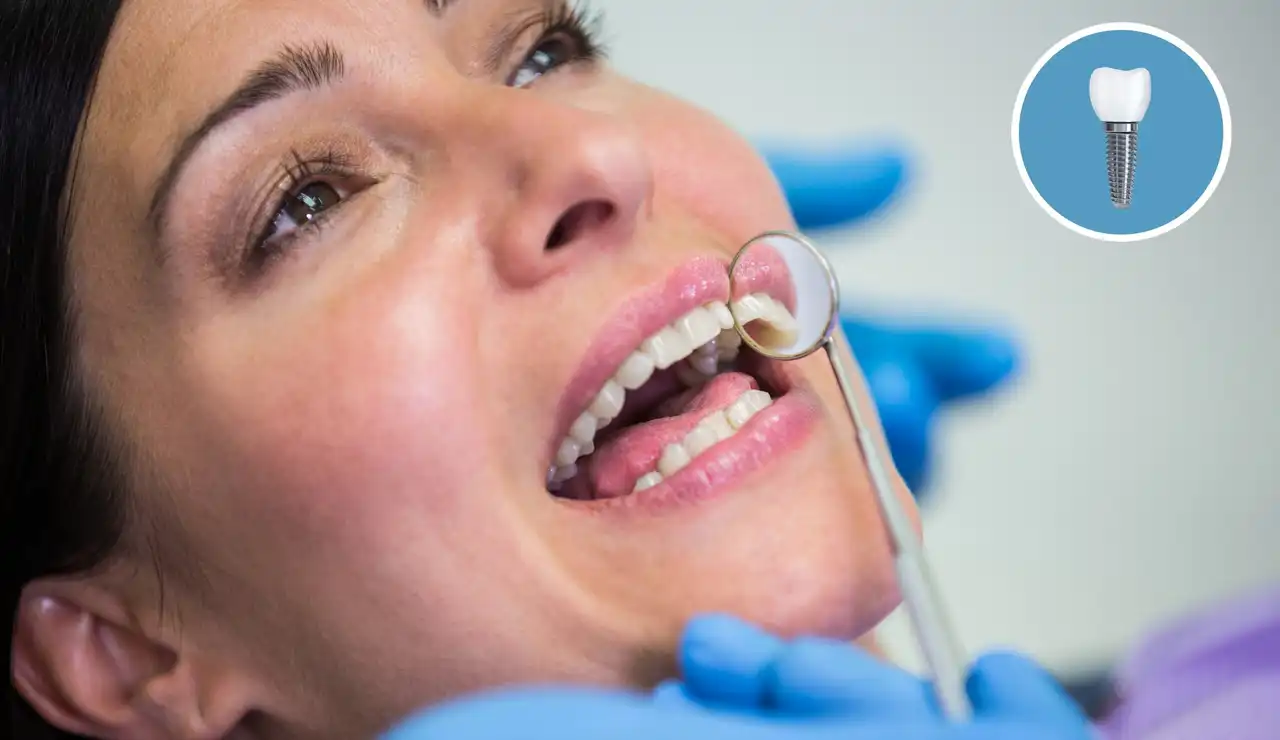
Average Lifespan of Dental Implants
Naturally, one of the most common questions patients ask is: How long do dental implants actually last?
The answer depends on several factors, including oral hygiene, lifestyle habits, overall health, and regular dental care. However, with proper maintenance, dental implants can provide excellent long-term results for many years. With proper care:
- The implant post can last 20+ years or even a lifetime
- The crown may need replacement after 10–15 years
Because implants are made from durable materials such as titanium and porcelain, they are built to withstand everyday chewing and biting forces.
Factors That Affect Longevity
1. Oral Hygiene: Regular brushing, flossing, and dental visits are essential.
2. Lifestyle Habits: Smoking and excessive alcohol use can reduce lifespan.
3. Bite Pressure: Teeth grinding (bruxism) can impact durability.
Dental implants are not just about replacing a tooth—they’re about restoring function and preserving oral health for years to come.
Why Are Dental Implants So Durable?
Dental implants are unique because they integrate directly with the jawbone through a natural healing process called osseointegration. This creates:
- A stable foundation
- Strong support for replacement teeth
- Improved durability compared to removable options
Unlike dentures, implants do not rely solely on the gums for support.
Factors That Affect How Long Dental Implants Last
While implants are highly durable, their longevity still depends on how well they are maintained.
1. Oral Hygiene: Good oral hygiene is one of the most important factors in implant success. Patients should:
- Brush twice daily
- Floss regularly
- Clean around the implant carefully
- Attend regular professional cleans
Poor oral hygiene can lead to gum inflammation around the implant, known as peri-implant disease.
2. Regular Dental Check-Ups: Routine dental visits allow problems to be detected early before they become more serious. Regular examinations help monitor:
- Gum health
- Bite alignment
- Implant stability
- Wear on the crown
Professional maintenance plays a key role in protecting long-term implant success.
3. Smoking: Smoking can negatively affect blood flow and healing, increasing the risk of implant complications. Smokers may experience:
- Slower healing
- Increased risk of gum disease
- Reduced implant longevity
Reducing or quitting smoking can significantly improve outcomes.
4. Teeth Grinding (Bruxism): Excessive grinding or clenching places extra pressure on implants and surrounding teeth. Over time, this may:
- Damage the crown
- Increase wear
- Affect implant stability
A custom night guard may be recommended for patients who grind their teeth.
5. Overall Health
Certain medical conditions may affect healing and implant longevity, including:
- Diabetes
- Autoimmune conditions
- Osteoporosis
However, many patients with well-managed health conditions still achieve excellent long-term results.
How to Make Dental Implants Last Longer
Maintaining dental implants is very similar to caring for natural teeth.
Helpful habits include:
- Brushing and flossing daily
- Avoiding smoking
- Eating a balanced diet
- Wearing a night guard if recommended
- Attending routine dental visits
Consistent care is the key to long-term success.
Are Dental Implants Worth the Investment?
Many patients consider dental implants a worthwhile long-term investment because they:
- Restore function and comfort
- Improve confidence
- Help preserve jawbone structure
- Provide a natural appearance
- Offer long-lasting results
Although implants may involve a higher upfront cost compared to some alternatives, their durability and stability often make them highly beneficial over time.
Looking Ahead at Woden Dental Care
At Woden Dental Care, we are committed to helping patients understand modern treatment options and make informed decisions about their oral health. As we continue exploring advanced solutions such as dental implants, our focus remains on patient comfort, long-term outcomes, and personalised care.
Frequently Asked Questions
Can dental implants last a lifetime?
Yes. With proper care and maintenance, many dental implants can last for decades or even a lifetime.
How long does the implant crown last?
The crown attached to the implant may require replacement after approximately 10–15 years due to normal wear.
What causes dental implants to fail?
Factors such as smoking, poor oral hygiene, infection, and excessive pressure on the implant can contribute to complications.
Do dental implants require special cleaning?
Dental implants should be cleaned similarly to natural teeth using brushing, flossing, and regular dental check-ups.
Are dental implants stronger than dentures?
Dental implants are generally more stable and durable because they are anchored directly into the jawbone.
Can smokers have long-lasting dental implants?
Smoking may reduce implant longevity, but many smokers can still achieve successful outcomes with proper care and professional guidance.
Do dental implants decay like natural teeth?
The implant itself cannot decay, but the surrounding gums and bone still need proper care to remain healthy.
How often should dental implants be checked?
Regular dental check-ups every six months are generally recommended to monitor implant health and maintenance.
Author: Payal Monga – Practice Manager, Woden Dental Care
Payal Monga is the Practice Manager at Woden Dental Care, with extensive experience in patient care, clinic operations, and dental practice management. She is passionate about helping patients understand their treatment options and feel confident about their dental care journey.
Medically Reviewed by: Dr Arvind Chawla – Principal Dentist
Dr Arvind Chawla is the Principal Dentist at Woden Dental Care, providing comprehensive dental care across general, cosmetic, and restorative treatments. He reviews all clinical content to ensure accuracy and alignment with current dental best practices.
Last Reviewed: May 06, 2026