
A dental emergency? Act fast to protect your smile and reduce pain.
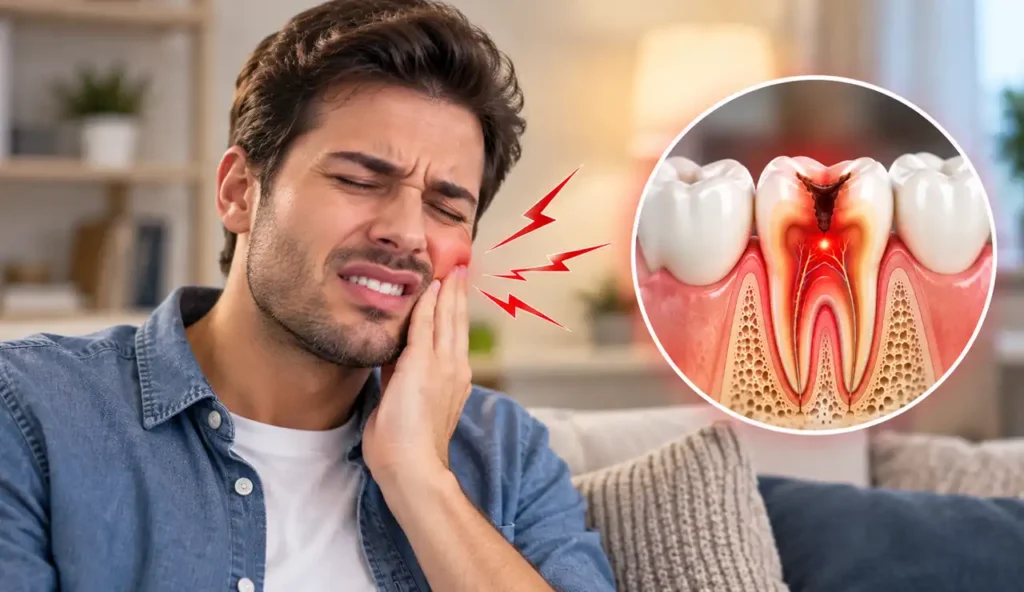
A sudden, throbbing toothache or an unexpected broken tooth can spark instant panic. When oral pain strikes, knowing how to react quickly can mean the difference between saving and losing a tooth.
If you are currently experiencing a painful situation, take a deep breath. This quick reference guide covers what to do during a dental emergency so you can manage pain, protect your smile, and get the urgent care you need.
Dental emergencies can happen anytime. Quick action can help relieve pain, protect your tooth, and improve treatment outcomes. Don't ignore sudden tooth pain or damage.
Woden Dental Care
What Qualifies as a Dental Emergency?
Not every dental issue requires immediate late-night intervention, but severe conditions need prompt professional care.
Urgent Emergencies (Seek Immediate Care)
- Knocked-Out (Avulsed) Tooth: Requires treatment within 30–60 minutes to save the tooth.
- Severe, Unrelenting Pain: Pain accompanied by facial swelling or fever.
- Uncontrolled Bleeding: Bleeding from the gums or mouth that does not stop with light pressure.
- Abscess or Infection: A localized, painful bump on the gums that can spread quickly.
Non-Urgent Issues (Schedule a Regular Appointment)
- A lost filling or crown (without severe pain).
- Minor chips or cracks that do not hurt.
- Food caught tightly between teeth.
Step-by-Step Actions for Common Dental Emergencies
- Knocked-Out Tooth
- Pick it up by the crown: Never touch the delicate root surfaces.
- Rinse gently: Use clean water or milk if it is dirty. Do not scrub it.
- Reinsert or store: Try placing the tooth back into its socket. If that isn’t possible, place it in a small cup of cold milk or keep it inside your cheek.
- Act fast: Call an emergency dentist immediately.
- Severe Toothache
- Rinse your mouth: Use warm salt water ( teaspoon of salt in warm water) to clean the area and ease inflammation.
- Floss gently: Remove any trapped food debris that might be irritating the gums.
- Apply a cold compress: Hold an ice pack wrapped in a towel against the outside of your cheek for 10–15 minutes.
- Avoid direct pain relievers: Never place aspirin directly against your gums, as it can burn the tissue.
- Cracked or Broken Tooth
- Save any fragments: Place them in a clean container or milk.
- Rinse thoroughly: Clean your mouth with warm water.
- Cover sharp edges: Use dental wax or sugarless gum to protect your tongue and cheek from sharp corners until you reach the clinic.
Safety Note: If you experience severe facial swelling, difficulty breathing, or trouble swallowing alongside your dental pain, go to the nearest hospital emergency room immediately.
Frequently Asked Questions
Q1. How do I know if my toothache is an emergency?
A: A toothache is an emergency if it is severe, constant, or accompanied by facial swelling, fever, or a bad taste in your mouth (which indicates an infection). Mild, fleeting sensitivity usually can wait for a standard appointment, but persistent pain requires immediate professional evaluation.
Q2. What should I do if a dental crown falls off?
A: If your crown falls off, clean it gently and keep it safe. You can temporarily slip it back over the tooth using over-the-counter dental cement or toothpaste. Avoid chewing on that side and contact your dentist promptly to have it properly re-cemented or replaced.
Q3. Can a knocked-out tooth be saved?
A: Yes, a knocked-out tooth can often be saved if you act within 30 to 60 minutes. Keep the tooth moist in milk or saline solution, handle it only by the crown, and seek emergency dental treatment immediately to increase the chances of successful re-implantation.
Q4. What helps relieve severe dental pain fast?
A: To relieve severe dental pain quickly, rinse with warm salt water, apply a cold compress to the outside of your cheek, and take over-the-counter pain relievers like ibuprofen as directed. Never apply medication directly to the gums, and contact an emergency dentist right away.
Q5. Is a chipped tooth considered a dental emergency?
A: A chipped tooth is an emergency if it causes severe pain, leaves a sharp edge cutting your tongue, or exposes the inner nerves. If the chip is cosmetic, minor, and painless, it typically does not require immediate after-hours care, but you should still schedule a visit soon.
Q6. What should I do if my gums won't stop bleeding?
A: If your gums bleed excessively after an injury or tooth extraction, apply firm, continuous pressure to the area using a clean piece of gauze or a damp tea bag for 20–30 minutes. If the bleeding persists after this, seek emergency medical or dental attention immediately.
Gentle, Immediate Care at Woden Dental Care
At Woden Dental Care, we understand how overwhelming a dental emergency can feel. Our compassionate team is here to provide gentle, rapid relief in a comfortable environment.
If you or a loved one is experiencing oral pain or an unexpected dental injury, don’t wait for it to worsen. Contact Woden Dental Care today to schedule an emergency consultation and get your smile back on track.