
Don’t ignore tooth pain! Delaying a root canal can lead to bigger dental problems. Early treatment can help save your tooth.
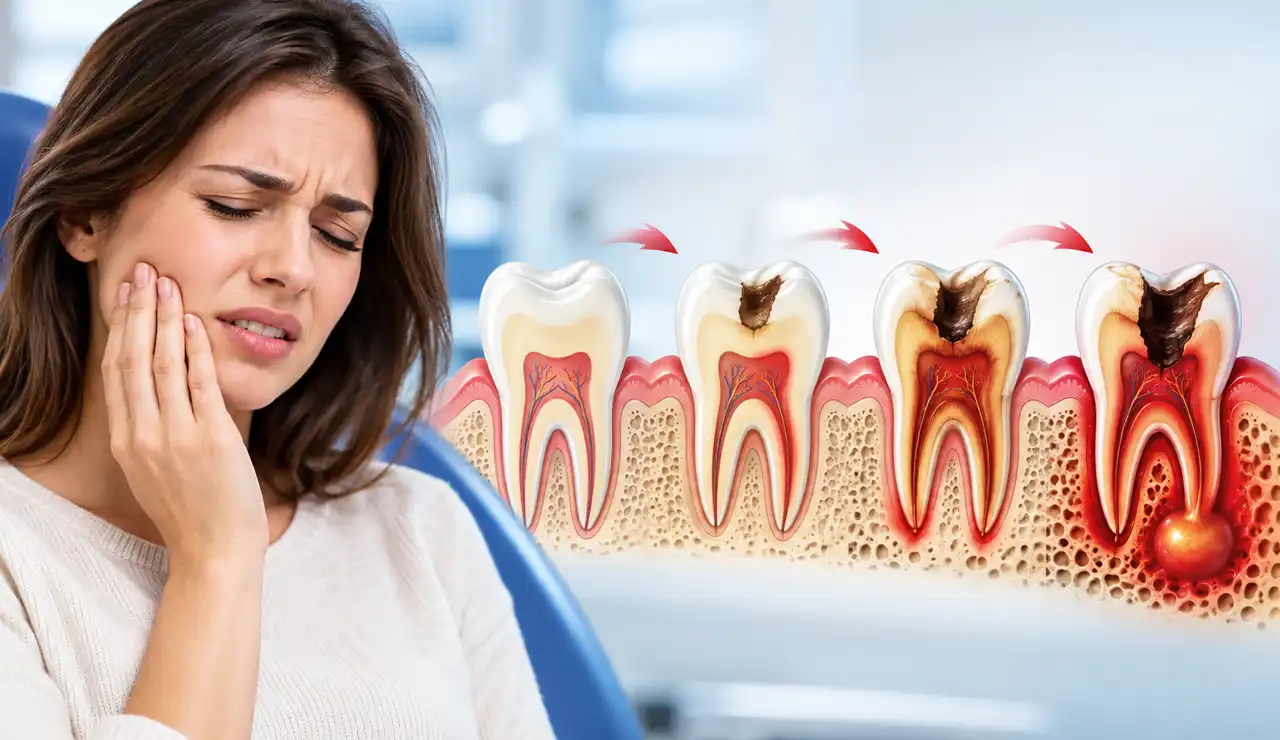
Dental pain has a frustrating way of demanding our attention, yet it is just as common for people to put off treatment out of fear or busy schedules. If your dentist has recommended a root canal, you might be tempted to wait and see if the discomfort resolves on its own. Unfortunately, ignoring the problem rarely works in your favor.
Understanding what happens if you delay a necessary root canal can help you make an informed choice before a minor issue turns into a major dental emergency.
Delaying a recommended root canal can lead to worsening pain, infection, and more complex dental problems. Learn why early treatment is key to protecting your smile.
Woden Dental Care
Why Do Dentists Recommend Root Canals?
Inside every tooth lies a soft tissue called the pulp, which contains blood vessels and nerves. When tooth decay, deep cracks, or repeated dental procedures allow bacteria to penetrate this inner chamber, the pulp becomes infected or inflamed.
A root canal procedure is designed to save your natural tooth. During this treatment, the infected pulp is gently removed, and the inside of the tooth is cleaned, disinfected, and sealed. Skipping this step leaves the infection active and spreading.
The Progression of Waiting: What Happens Over Time?
Delaying treatment allows the underlying dental issue to advance through several predictable stages:
- Increased Pain and Sensitivity: Initial discomfort or sensitivity to hot and cold temperatures will intensify into constant, throbbing pain that disrupts your daily life and sleep.
- Formation of a Dental Abscess: As bacteria multiply at the tip of the root, pus collects and forms an abscess. This can cause painful swelling in your gums, cheek, or jaw, accompanied by a foul taste in your mouth.
- Bone Loss Around the Jaw: Chronic infection can eventually eat away at the jawbone that anchors your tooth in place, complicating future restorative options.
- Systemic Health Risks: In severe cases, bacteria from an untreated dental abscess can enter your bloodstream, posing broader health concerns.
The Cost of Waiting: Saving the Tooth vs. Extraction
Many patients hesitate due to perceived costs, but delaying treatment usually makes the situation more expensive.
Pro Tip: Addressing a compromised tooth early often means a straightforward root canal and a protective crown. Waiting too long may result in the tooth fracturing beyond repair, requiring an extraction followed by costly replacements like dental implants or bridges.
Frequently Asked Questions
Q1. Is a root canal procedure painful?
A: Modern root canals are virtually painless. Advanced techniques and local anesthetics ensure that the procedure feels similar to getting a standard dental filling. Most patients report immediate relief from the severe pain caused by the underlying infection once the procedure is complete.
Q2. Can a root canal heal on its own without treatment?
A: No, a dental infection cannot heal on its own. While a temporary pain reliever or antibiotic may mask the symptoms, they do not remove the bacteria trapped inside the tooth pulp. Without professional intervention, the infection will continue to progress.
Q3. How long can I safely wait before getting a root canal?
A: You should never wait to treat an infected tooth. What starts as mild sensitivity can escalate into an excruciating dental abscess within days or weeks. Scheduling treatment promptly protects your oral health, prevents structural damage, and saves you from unnecessary pain.
Q4. What are the alternative treatments to a root canal?
A: The only alternative to a root canal is the complete extraction of the affected tooth. However, extracting a natural tooth often leads to shifting alignment in surrounding teeth and requires restorative solutions like bridges or implants to maintain proper chewing function.
Q5. Will antibiotics cure a tooth infection instead of a root canal?
A: Antibiotics can temporarily control the spread of bacteria and reduce swelling from a dental abscess, but they cannot reach the inside of the root canal system to clear out the source of the infection. A physical procedure by a dentist is required to remove the dead tissue.
Q6. What are the early warning signs that I need a root canal?
A: Common warning signs include lingering sensitivity to hot or cold foods, spontaneous toothaches, pain when chewing or biting, tender or swollen gums near the affected tooth, and noticeable darkening of the tooth enamel. If you notice these symptoms, schedule an evaluation right away.
Take the Next Step for Your Smile
Living with dental pain or uncertainty takes a toll on your overall well-being. At Woden Dental Care, our friendly and experienced team is dedicated to providing gentle, patient-centered care in a comfortable environment.
Don’t let a delayed treatment compromise your health. Schedule your consultation with Woden Dental Care today and take the first step toward a healthy, pain-free smile.