
Discover how juice and soft drinks affect children’s teeth, causing tooth decay and enamel erosion. Learn practical tips to protect your child’s smile with advice from Woden Dental Care.

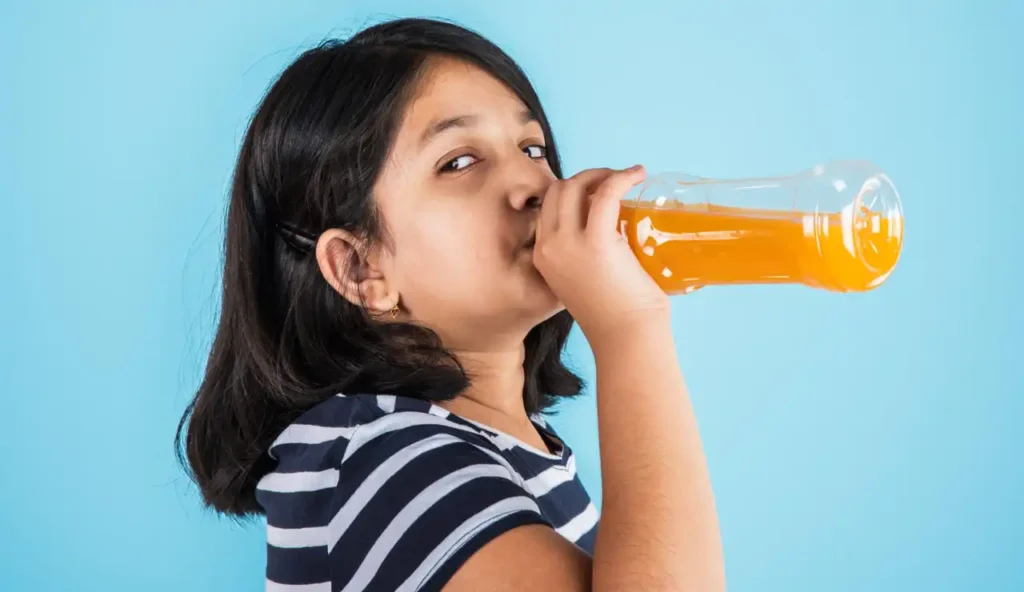
Effects of sugary and acidic drinks on children's oral health
As parents, we all want our children to enjoy a healthy, happy childhood. While fruit juices and soft drinks may seem like harmless treats, many parents are surprised to learn just how much damage these beverages can do to growing teeth. At Woden Dental Care, we regularly see the effects of sugary and acidic drinks on children’s oral health—and the good news is that much of this damage can be prevented.
Both fruit juices and soft drinks contain ingredients that can negatively affect your child's teeth.
Woden Dental Care
Why Are Juice and Soft Drinks Harmful to Teeth?
1. High Sugar Content
Many juices and soft drinks contain large amounts of sugar. When children consume sugary drinks, the bacteria naturally present in the mouth feed on the sugars and produce acids. These acids attack tooth enamel, the protective outer layer of the teeth, leading to tooth decay and cavities. Even drinks marketed as “healthy” or “natural” can contain surprisingly high levels of sugar.
2. Acid Erosion
In addition to sugar, many beverages are highly acidic. Soft drinks, sports drinks, energy drinks, and even some fruit juices can weaken and dissolve tooth enamel over time. Unlike tooth decay, which is caused by bacteria, acid erosion directly wears away the enamel, making teeth more sensitive and vulnerable to damage.
Which Drinks Are the Biggest Culprits?
Some of the most common drinks that can contribute to dental problems include:
- Soft drinks and fizzy beverages
- Fruit juices, including orange and apple juice
- Cordials and flavoured drinks
- Sports and energy drinks
- Iced teas and sweetened beverages
Even sugar-free soft drinks can be harmful because of their high acidity levels.
Reading Labels: What to Watch For
Many parents assume that drinks labelled as “natural,” “fruit-based,” or “no added sugar” are automatically better for their children’s teeth. However, it’s important to read nutrition labels carefully. Look for the total sugar content per serving and be aware that ingredients such as fruit juice concentrate, glucose syrup, fructose, and sucrose are all forms of sugar that can contribute to tooth decay. It’s also worth checking the ingredient list for acidic additives such as citric acid, phosphoric acid, and malic acid, which can erode tooth enamel over time. By comparing labels and choosing drinks with lower sugar and acid content, parents can make more informed decisions that support their child’s oral health.
Signs That Drinks May Be Affecting Your Child's Teeth
Parents should watch for:
- Increased tooth sensitivity
- Yellowing teeth (as enamel wears away)
- White spots on teeth
- Frequent cavities
- Complaints of pain when eating or drinking
- Rough or uneven tooth surfaces
Early intervention can help prevent more serious dental problems later.
How to Protect Your Child's Teeth
Fortunately, there are several simple steps parents can take to reduce the risk of tooth decay and enamel erosion.
Encourage Water as the Main Drink: Water is the best beverage for children’s oral health. It helps rinse away food particles, neutralises acids, and keeps the mouth hydrated.
Limit Sugary and Acidic Drinks: Reserve soft drinks and fruit juices for occasional treats rather than everyday beverages. Reducing frequency is often just as important as reducing quantity.
Use a Straw: When children do consume juice or soft drinks, drinking through a straw can help minimise contact between the liquid and the teeth.
Avoid Sipping Throughout the Day: Constant sipping exposes teeth to sugar and acids for extended periods. It’s better to consume these drinks during mealtimes rather than slowly throughout the day.
Maintain Good Oral Hygiene
Encourage children to:
- Brush twice daily with fluoride toothpaste
- Floss regularly
- Visit the dentist for routine check-ups and cleans
Wait Before Brushing
After consuming acidic drinks, wait about 30 minutes before brushing. Brushing immediately can spread acids around the teeth and increase enamel wear.
The Importance of Regular Dental Check-Ups
Regular dental visits allow potential problems to be identified early before they become more serious and costly to treat. Professional examinations can detect early signs of decay, enamel erosion, and other oral health concerns that may not be visible at home.
At Woden Dental Care, we focus on preventive dentistry and helping families develop healthy habits that support lifelong oral health.
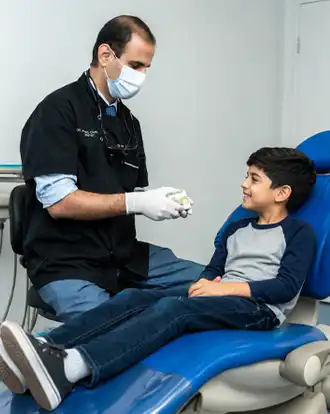
Schedule Your Child's Dental Check-Up
Children often follow the example set by their parents. Keeping water readily available, limiting sugary beverages at home, and educating children about how drinks affect their teeth can make a significant difference. Small changes today can help protect your child’s smile for years to come.
If you have concerns about your child’s oral health or would like advice on protecting their teeth from tooth decay and enamel erosion, the friendly team at Woden Dental Care is here to help. Regular dental check-ups are one of the best ways to keep young smiles healthy and strong.
Contact Woden Dental Care today to book an appointment and support your child’s long-term dental health.