Loud snoring and morning headaches could be signs of Obstructive Sleep Apnoea, which your dentist can often spot early. Protect your sleep and smile by booking a routine check-up today!
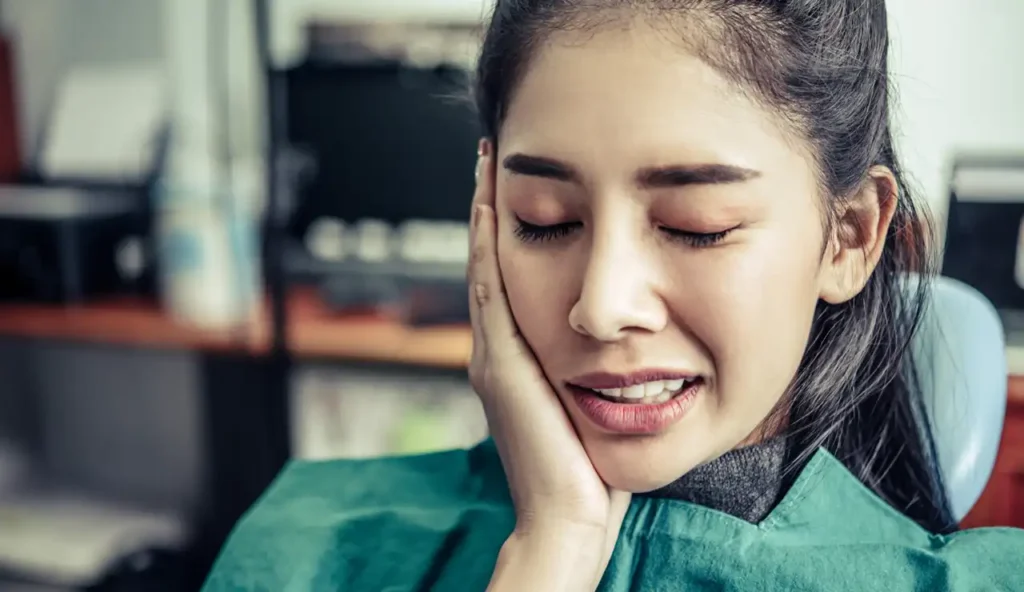
Waking up tired, dealing with persistent morning headaches, or being told you snore loudly are more than just sleep issues—they could be warning signs of a deeper connection between your rest and your smile.
Obstructive sleep apnoea (OSA) is a common condition where breathing repeatedly stops and starts throughout the night. While many people associate sleep disorders strictly with fatigue or heart health, the link between sleep apnoea and oral health is profound. Your dentist is often the first healthcare professional to notice the early warning signs of this condition during a routine dental check-up.
Loud snoring, morning headaches, and constant fatigue may be signs of Obstructive Sleep Apnoea (OSA). Did you know your dentist can often spot early warning signs during a routine check-up? Protect your sleep and oral health with timely care.
Woden Dental Care
Understanding Obstructive Sleep Apnoea
Obstructive sleep apnoea occurs when the muscles in the back of your throat relax too much during sleep, causing your airway to narrow or collapse. This blocks normal airflow, reducing oxygen levels in your blood and forcing your brain to briefly wake you up to reopen your airway—often without you even realizing it.
Common Signs and Symptoms
While a sleep study provides an official diagnosis, your body offers several clues that something might be disrupting your rest:
- Loud, chronic snoring
- Gasping or choking sounds during sleep
- Waking up with a dry mouth or sore throat
- Excessive daytime fatigue and difficulty concentrating
- Morning headaches or jaw soreness
How Sleep Apnoea Harms Your Smile
Your oral health relies on a delicate balance of saliva production, tissue health, and structural integrity. Sleep apnoea disrupts these systems in several distinct ways:
- Chronic Dry Mouth and Tooth Decay
When breathing is obstructed, people naturally resort to mouth breathing while asleep. This dries out the protective saliva that normally washes away harmful bacteria and neutralizes acids. Without adequate saliva, you face a significantly higher risk of:
- Rapid tooth decay (cavities)
- Gum inflammation and periodontal disease
- Persistent bad breath (halitosis)
- Teeth Grinding (Bruxism) and Jaw Pain
There is a strong biological correlation between sleep apnoea and bruxism (involuntary teeth grinding and clenching). When your airway collapses, your body may trigger a reflex to thrust the jaw forward and open the airway, which manifests as grinding your teeth. Over time, this places immense pressure on your dental structures, leading to:
- Worn down, chipped, or fractured teeth
- Increased tooth sensitivity
- Temporomandibular joint (TMJ) disorders, resulting in jaw clicking, locking, and facial pain
How Your Dentist Can Help
Because dentists examine your teeth, gums, and oral tissues every six months, they are uniquely positioned to spot the hidden oral signs of sleep apnoea. Signs like scalloped tongue borders, an inflamed soft palate, or unusual tooth wear patterns often tell a story about how well you breathe at night.
For patients with mild to moderate sleep apnoea, dental professionals can collaborate with sleep physicians to provide custom-fitted oral appliance therapy. These comfortable, removable devices gently reposition your lower jaw forward to keep your airway open throughout the night, protecting both your airway and your teeth.
Take the First Step Toward Restful Sleep
If you suspect that sleep apnoea is affecting your well-being, you do not have to navigate it alone. Protecting your airway is just as important as protecting your teeth.
Schedule a consultation with our friendly team today to discuss your oral health, explore custom oral appliance options, and take a confident step toward better sleep and a healthier smile.
Frequently Asked Questions
Q1. Can a dentist diagnose sleep apnoea?
A: Dentists cannot officially diagnose sleep apnoea, but they are often the first to spot the warning signs during routine exams. Indicators like teeth grinding, a dry mouth, and specific oral anatomy patterns allow your dentist to recommend a formal evaluation with a qualified sleep physician.
Q2. How do dental appliances treat sleep apnoea?
A: Oral appliance therapy uses a custom-fitted mouthguard-like device worn during sleep. This device gently holds your lower jaw and tongue forward, preventing the soft tissues in the back of your throat from collapsing and ensuring a continuous flow of air all night long.
Q3. Is teeth grinding always connected to sleep apnoea?
A: Not always, as stress and anxiety can also cause bruxism. However, sleep-related bruxism is a very common physical response to airway obstruction. Your body clenches or grinds its teeth as an automatic reflex to help stabilize the jaw and reopen a blocked airway.
Q4. Why does sleep apnoea cause a dry mouth?
A: Sleep apnoea frequently leads to chronic mouth breathing, especially during interrupted sleep cycles. Breathing continuously through your mouth evaporates saliva much faster than nasal breathing, leaving you with reduced moisture, less bacterial protection, and a higher vulnerability to cavities.
Q5. What are the long-term dental risks of untreated sleep apnoea?
A: Untreated sleep apnoea can cause severe, lasting dental damage over time. Constant teeth grinding wears down enamel, cracks restorations like crowns, and strains the jaw joints. Furthermore, chronic dry mouth dramatically increases your susceptibility to aggressive tooth decay and advanced gum disease.
Q6. Are sleep apnoea oral appliances comfortable to wear?
A: Modern oral appliances are custom-designed using digital impressions to ensure a precise, comfortable fit. Unlike bulky CPAP machines, these compact devices are quiet, portable, and easy to wear, making them a popular and well-tolerated alternative for patients with mild to moderate sleep apnoea.
Tags:#DentalCare#Dentist