
If you’re experiencing bleeding gums in Woden Valley, booking a dental check-up is the first step towards a healthier smile.
Dental Emergencies in Children
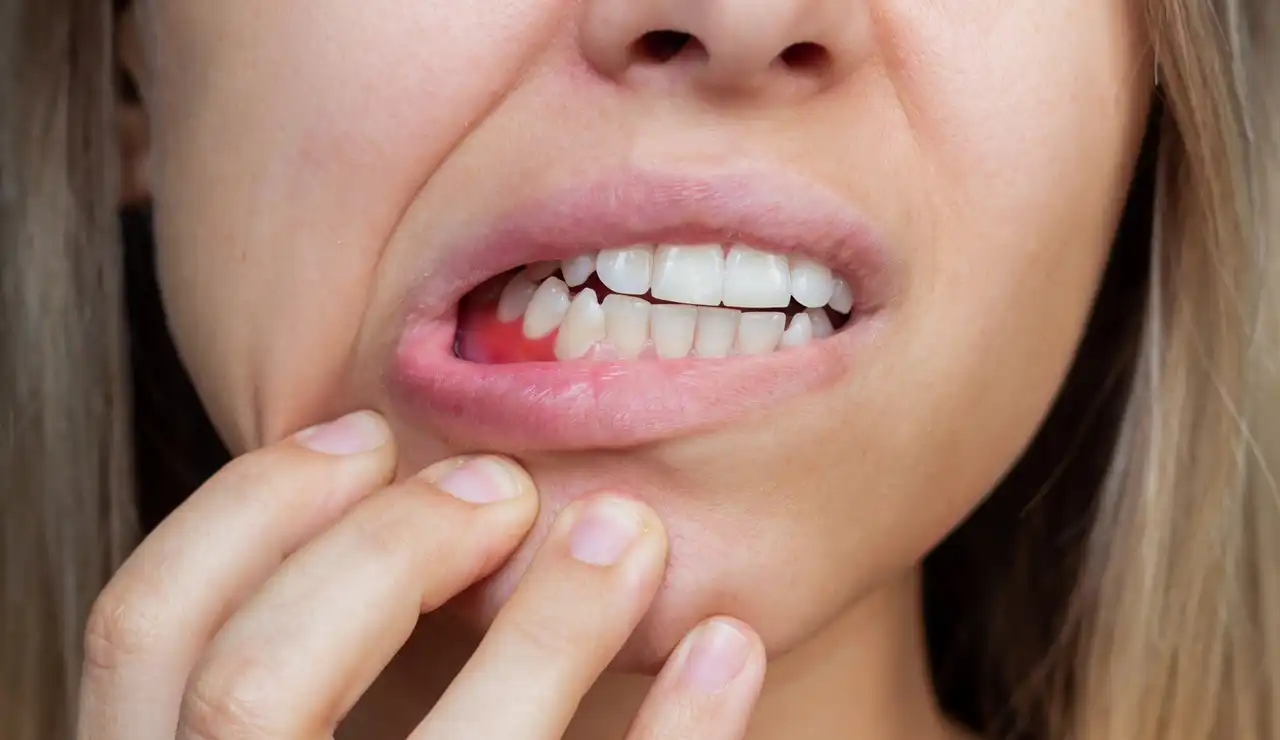
Noticing blood when you brush or floss your teeth can be alarming—but it’s also one of the most common early signs of gum disease. Many people in Woden Valley ignore bleeding gums, assuming it’s normal. In reality, it’s often your body’s way of telling you something isn’t right.
In this post, we’ll explain why gums bleed, the possible underlying conditions, and the most effective treatment options available in Woden Valley.
Are you experiencing bleeding gums?
Bleeding gums are not something to ignore. They’re often the first warning sign of gum disease—but with the right care and early treatment, the condition is highly manageable.
If you’re experiencing bleeding gums in Woden Valley, booking a dental check-up is the first step towards a healthier smile.
Are Bleeding Gums Normal?
Healthy gums should not bleed regularly. Occasional bleeding may happen if you’ve just started flossing, but persistent bleeding is usually a sign of:
- Gum inflammation
- Plaque buildup
- Early-stage gum disease
Ignoring it can lead to more serious issues like tooth loss or infection.
Common Causes of Bleeding Gums
1. Gingivitis (Early Gum Disease)
This is the most common cause of bleeding gums.
Symptoms include:
- Red, swollen gums
- Bleeding during brushing or flossing
- Bad breath
Gingivitis is reversible with proper care if caught early.
2. Poor Oral Hygiene
When plaque builds up along the gumline, it irritates the gums and leads to bleeding.
Common habits that contribute:
- Infrequent brushing
- Skipping flossing
- Not visiting the dentist regularly
3. Aggressive Brushing or Flossing
Brushing too hard or using a hard-bristled toothbrush can damage gum tissue.
Tip: Use a soft-bristled toothbrush and gentle circular motions.
4. Periodontitis (Advanced Gum Disease)
If gingivitis is left untreated, it can progress to periodontitis—a more serious condition that affects the bone supporting your teeth.
Warning signs:
- Receding gums
- Loose teeth
- Persistent bad breath
This condition requires professional dental treatment.
5. Hormonal Changes
Pregnancy, puberty, or hormonal fluctuations can make gums more sensitive and prone to bleeding.
6. Medical Conditions or Medications
Certain health conditions and medications (like blood thinners) can increase the risk of bleeding gums.
When Should You See a Dentist?
You should book a dental appointment if:
- Your gums bleed frequently
- You notice swelling or redness
- You have persistent bad breath
- Your gums are receding
Early intervention can prevent more complex and costly treatments later.
Treatment Options for Bleeding Gums in Woden Valley
Professional Dental Cleaning
A scale and clean removes plaque and tartar buildup, allowing your gums to heal.
Improved Oral Hygiene Routine
Your dentist may recommend:
- Brushing twice daily with fluoride toothpaste
- Flossing once a day
- Using an antibacterial mouthwash
Deep Cleaning (Scaling and Root Planing)
For more advanced gum disease, a deeper clean below the gumline may be necessary.
Gum Disease Management
Ongoing care and regular check-ups help prevent the condition from worsening.
How to Prevent Bleeding Gums
Prevention is always better than treatment. Here’s how to keep your gums healthy:
- Brush gently twice a day
- Floss daily
- Visit your dentist every 6 months
- Eat a balanced diet rich in vitamins
- Avoid smoking
Why Choose Woden Dental Care?
At Woden Dental Care, we focus on preventive and gentle dentistry to help you maintain healthy gums for life. Our team offers:
- Thorough dental check-ups and cleans
- Personalised oral hygiene advice
- Treatment plans tailored to your needs
- A comfortable and welcoming environment
We’re here to help you stop bleeding gums before they become a bigger problem.
Frequently Asked Questions (FAQs)
1. Is it normal for gums to bleed when flossing?
If you’ve just started flossing, mild bleeding can occur. However, if it continues, it may indicate gum disease.
2. Can bleeding gums heal on their own?
In early stages (gingivitis), they can improve with better oral hygiene. Advanced cases require professional treatment.
3. What is the fastest way to stop bleeding gums?
Improve your oral hygiene routine and book a professional dental clean as soon as possible.
4. Are bleeding gums a sign of something serious?
They can be an early sign of gum disease, which may lead to tooth loss if untreated.
5. How often should I see a dentist for gum health?
Most people should visit every 6 months, but your dentist may recommend more frequent visits if needed.
Author: Payal Monga – Practice Manager, Woden Dental Care
Payal Monga is the Practice Manager at Woden Dental Care, with extensive experience in patient care, clinic operations, and dental practice management. She is passionate about helping patients understand their treatment options and feel confident about their dental care journey.
Medically Reviewed by: Dr Arvind Chawla – Principal Dentist
Dr Arvind Chawla is the Principal Dentist at Woden Dental Care, providing comprehensive dental care across general, cosmetic, and restorative treatments. He reviews all clinical content to ensure accuracy and alignment with current dental best practices.
Last Reviewed: April 23, 2026